The 2024 Breakthrough: Bridging the Gap Between Synthetic Fibers and Natural Hair
2024 Industry Report: How new bionic synthetic fibers finally matched goat hair performance. A guide for beauty brands switching to premium vegan brushes.
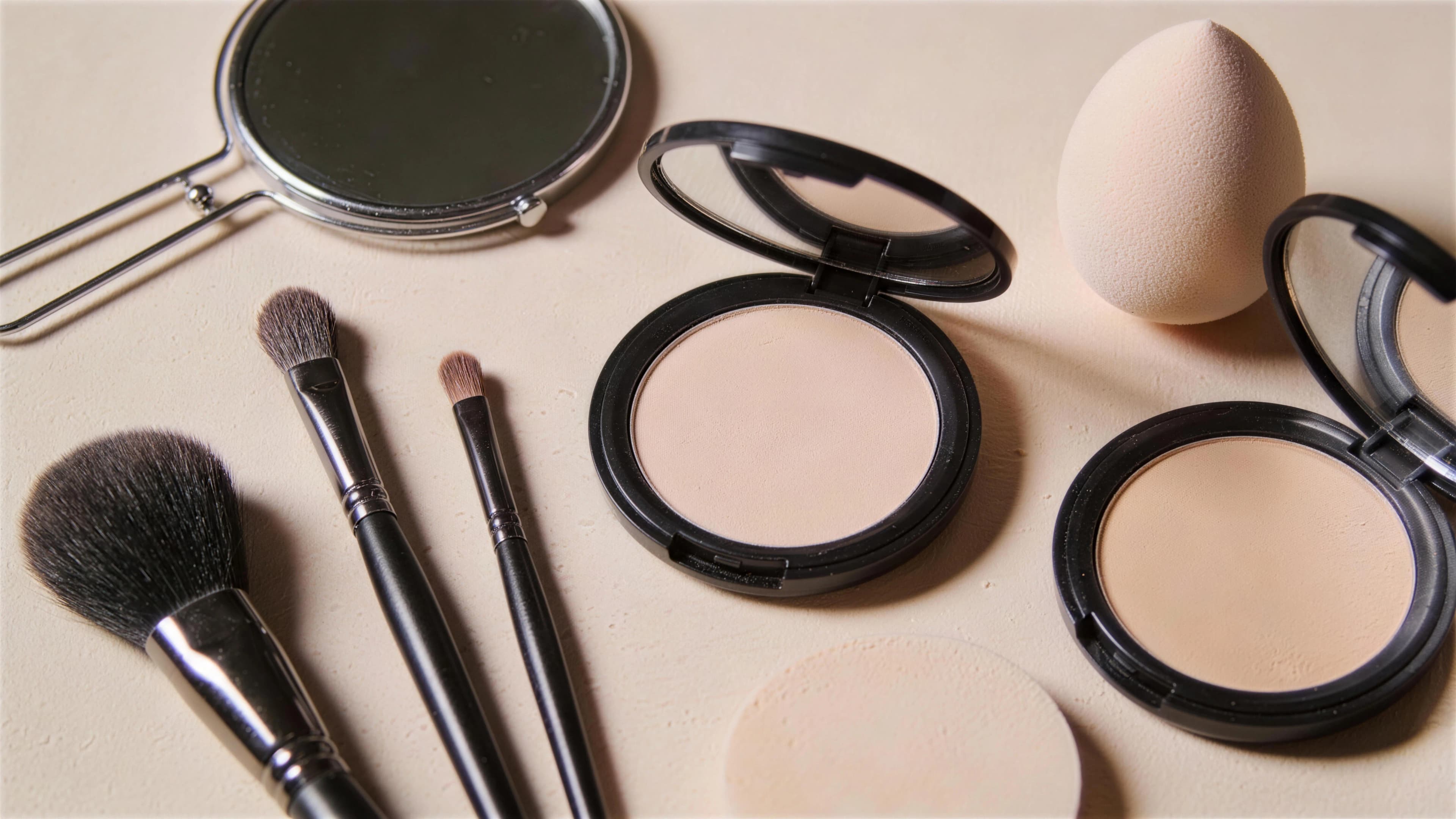
The 2024 Breakthrough: Bridging the Gap Between Synthetic Fibers and Natural Hair
For decades, the beauty manufacturing industry faced a difficult trade-off: choose natural animal hair for superior powder pickup, or choose synthetic fibers for ethical compliance.
In 2024, that trade-off effectively ended.
This year marked a definitive turning point in brush manufacturing technology. With the mass adoption of Micro-Crystal Bionic Fibers, private label brands can finally offer cruelty-free tools that are indistinguishable from premium goat or squirrel hair—both in feel and performance.
Here is why 2024 became the year synthetic bristles took over the professional market.
The Evolution: From "Plastic" to "Bionic"
Early synthetic brushes (Taklon or Nylon) were smooth. Too smooth. While they were great for liquid foundation, they failed to grab loose powder effectively.
The 2024 generation of Bionic Synthetic Fibers changed the game by mimicking the microscopic structure of animal hair.
Key Technological Advancements in 2024:
- 3D Scale Replication: Engineers successfully created microscopic "scales" on synthetic filaments. These scales trap powder particles just like natural hair cuticles do, solving the "fallout" problem.
- Variable Diameter Blends: Unlike uniform plastic strands, new bundles mix varying fiber thicknesses (0.05mm to 0.07mm) to replicate the fluffy, airy resilience of natural blue squirrel hair.
- Memory Shape Retention: These new fibers maintain their shape after washing significantly better than animal hair, extending the product lifespan for the end consumer.
Manufacturer's Note: For brands targeting the "Clean Beauty" sector, this technology allows you to claim "100% Vegan" without the asterisk of "lower performance."
Why Brands Switched in 2024 (The Data)
We analyzed the sourcing requests from over 50 global beauty brands this year. The data shows a massive shift in procurement priorities.
Feature Comparison
| Feature | Premium Goat Hair (Traditional) | Bionic Synthetic (2024 Standard) |
|---|---|---|
| Powder Pickup | Excellent (10/10) | Excellent (9.5/10) |
| Bacterial Resistance | Low (Traps bacteria) | High (Antimicrobial) |
| Cost Stability | Volatile (Prices rising) | Stable (Scalable) |
| Regulatory Risk | High (Import restrictions) | Zero (Global compliance) |
Cost Implications for Your Supply Chain
One of the biggest drivers for the 2024 shift wasn't just ethics—it was economics.
The price of raw animal hair has skyrocketed due to stricter animal welfare regulations and supply shortages. In contrast, the production cost of high-end bionic fibers has stabilized.
By switching to high-grade synthetics in 2024, brands achieved two things:
- Reduced COGS (Cost of Goods Sold): Lower raw material costs allowed for higher margins or better packaging investment.
- Consistency: Synthetic production eliminates the "batch-to-batch" variance found in natural hair, ensuring every customer gets the exact same experience.
Conclusion: The New Standard
The debate between natural and synthetic is no longer about quality; it is about preference. As we look toward the future of beauty tools, the brands winning in 2024 are those that embrace this technology to tell a story of performance without compromise.
Are you ready to upgrade your product line with the latest 2024 fiber technology?